What Is Core Strength — and Why Does My Child Need It?
When we hear the words “core strength,” a lot of us picture gym workouts, yoga classes, or fitness influencers talking about abs. But in the world of child development — especially occupational therapy — core strength has a whole different meaning. And it’s a big deal.
For kids, core strength isn’t about looking strong — it’s about feeling steady, being able to play, sit in a chair, write, climb, and even focus in school. It’s one of those foundational skills that supports everything else… kind of like the roots of a tree.
So what exactly is core strength, and why does it matter so much? Let’s break it down — no exercise equipment needed.
What is “the core,” really?
The core is made up of the muscles in your stomach, back, hips, and pelvis. These muscles work together to hold you upright, support movement, and keep your body balanced and stable.
Think of the core as your body’s center — it connects your upper and lower halves, and gives you the strength to sit tall, move confidently, and control your body with ease.
Why does core strength matter for kids?
So many everyday activities depend on strong core muscles. When a child has a strong core, it’s easier for them to:
- Sit upright in a chair during class
- Hold their body steady while writing or drawing
- Run, jump, and play without tiring quickly
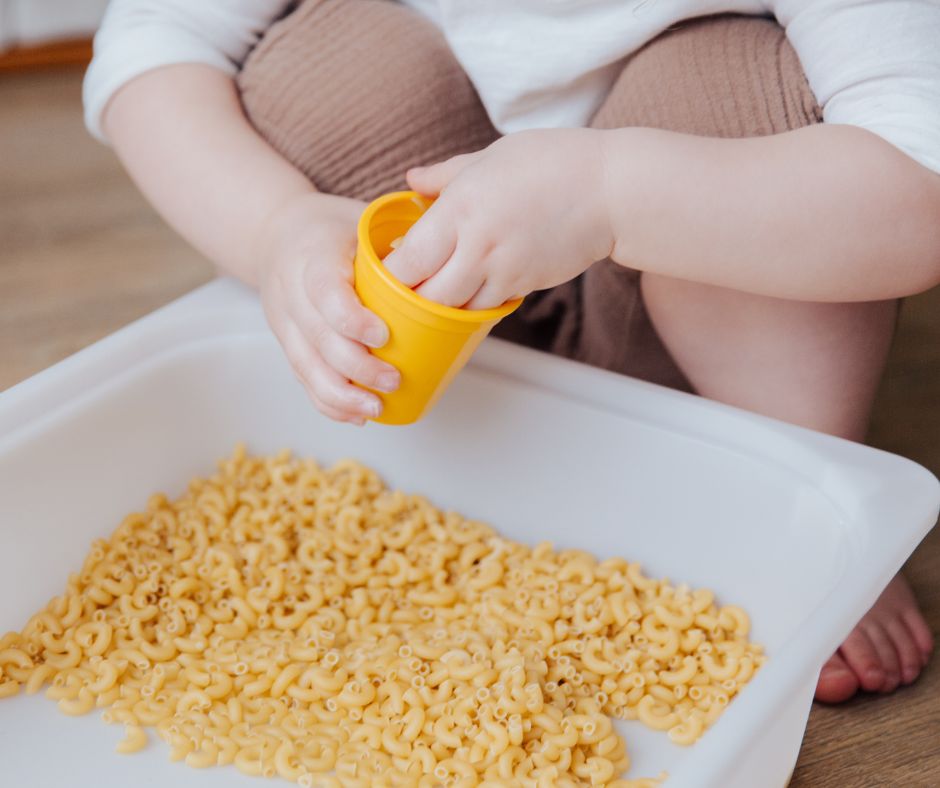
- Use their hands for fine motor tasks like buttons, zippers, or using scissors
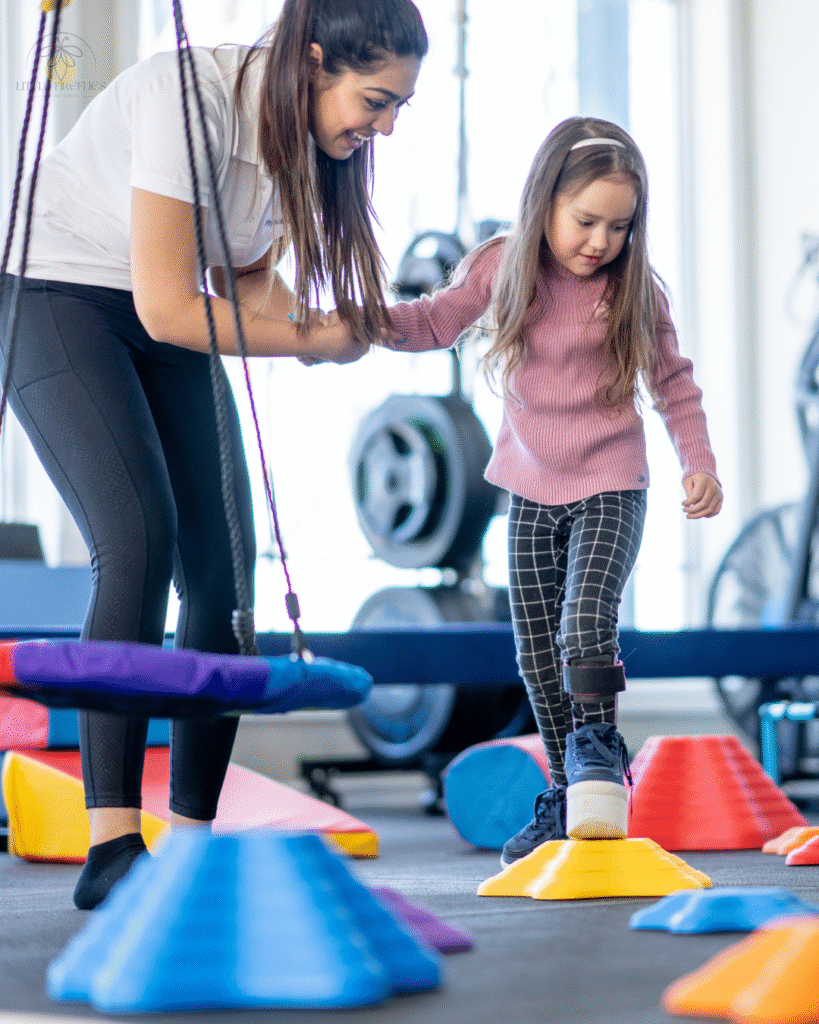
- Balance while climbing, hopping, or navigating playground equipment
- Focus — because they’re not constantly adjusting or struggling to stay seated
Without a strong core, all of those activities can feel harder than they should — and kids may tire quickly, avoid certain tasks, or even be misread as unfocused or “wiggly” when their body is simply working extra hard to keep up.
Signs your child might need more core support:
Every child develops at their own pace, but here are a few signs that a child might benefit from building core strength:
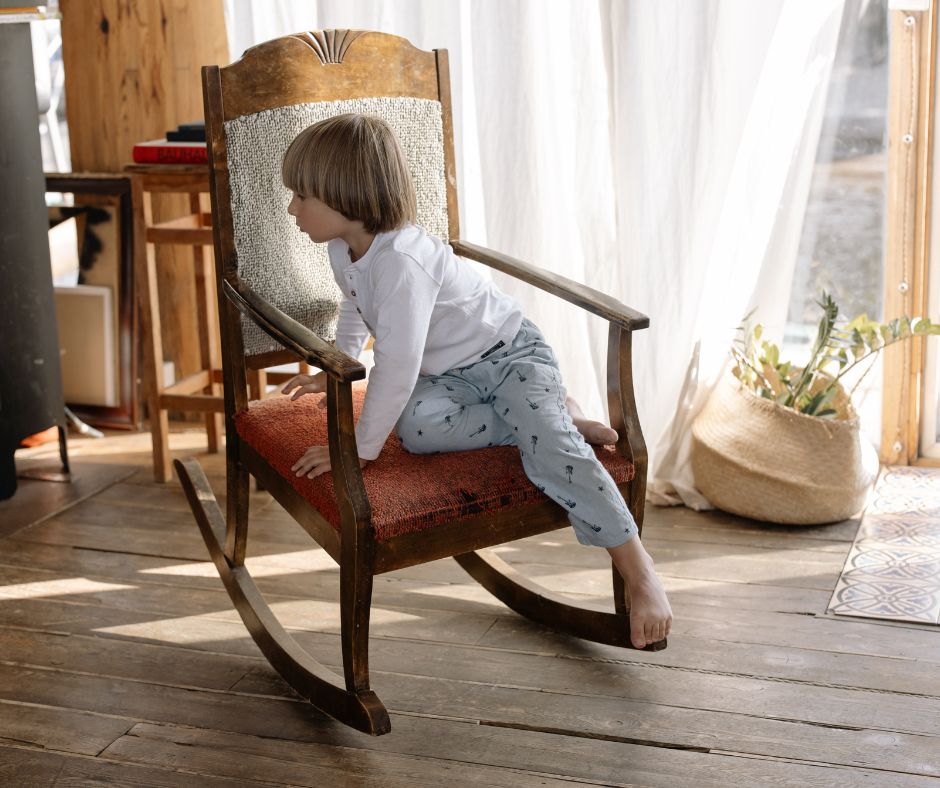
- Slouching or leaning while sitting
- Propping their head up with their hands
- Frequently shifting or lying down during seated tasks
- Fatiguing quickly during active play
- Avoiding climbing, jumping, or riding a bike
- Difficulty with fine motor skills like writing or tying shoes
If any of these feel familiar, don’t worry — there are so many simple ways to support your child’s core strength at home (and we’ll get to that in a moment!)
How do we help build core strength?
The best news? Kids don’t need to hit the gym. They just need opportunities to move, play, and engage their bodies in fun, natural ways.
Some of our favorite core-strengthening activities include:
- Climbing playground equipment
- Crawling through tunnels or obstacle courses
- Animal walks (bear, crab, frog jumps — so fun!)
- Scooter board races
- Wheelbarrow walking (with a grown-up helping!)
- Yoga poses like “plank” or “bridge”
- Swinging, hanging, and monkey bars
- Rolling up in a blanket like a burrito and “pushing out”
- Lying on their tummy to play, color, or do puzzles (called “tummy time” — it’s not just for babies!)
It doesn’t have to look like therapy — it just needs to be playful and consistent. A few minutes a day can make a big difference over time.
When should I talk to an occupational therapist?
If you’re noticing that your child is avoiding certain tasks, struggling to stay upright during seated work, or just seems more tired than peers during active play, an OT can help.
Occupational therapists look at the whole child — and core strength is often a foundational piece of the puzzle. We’re here to support skill-building in ways that feel empowering, joyful, and rooted in connection.
A strong core helps your child feel strong, steady, and ready for life.
At the end of the day, core strength isn’t about fitness — it’s about function. It helps kids feel more confident in their bodies, more able to participate fully in school and play, and more regulated as they move through their day.
And the best part? Every hop, climb, tumble, and giggle-filled movement counts.