How Occupational Therapy Helps Prepare Children for Kindergarten
Kindergarten is such an exciting milestone — full of backpacks, name tags, new friends, and big feelings. For many families, it’s the first time their child will be in a structured classroom setting all day, following routines, working with peers, and navigating a world that’s just a little bit bigger.
But while it’s a big step, it doesn’t have to be a scary one.
Occupational therapy (OT) can play a beautiful and important role in helping children feel more confident, capable, and ready for kindergarten — not just academically, but emotionally, socially, and physically too.
Let’s explore how OT helps lay the foundation for a smooth, supported transition into school life.
Kindergarten Readiness Is About More Than ABCs
When we think of school readiness, we often think about things like knowing letters and numbers — and while those are important, they’re just a small part of the picture.
True readiness is about a child’s ability to:
- Follow routines and directions
- Regulate emotions and cope with changes
- Hold a pencil and use scissors
- Share space and materials with other kids
- Sit at a table, listen to a story, and transition between activities
- Take care of their basic needs (like zipping a backpack or using the bathroom)
These are all functional skills — and that’s where OT shines.
OT Supports the “Whole Child”
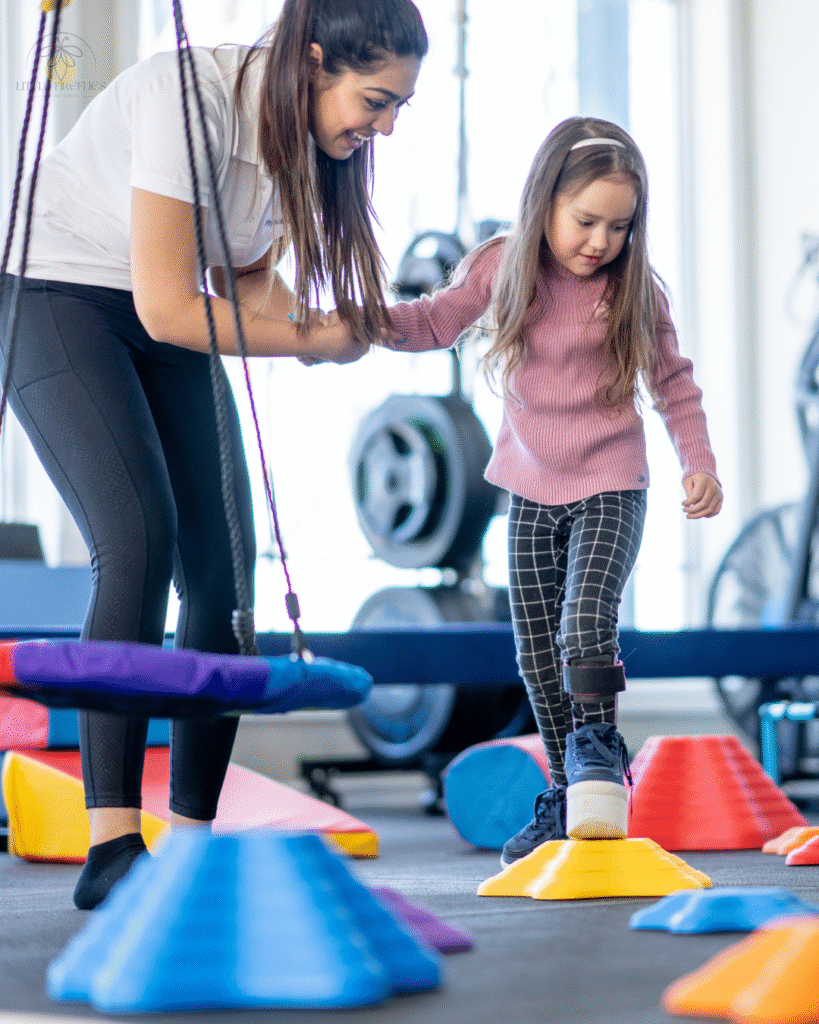
Occupational therapy doesn’t just look at isolated tasks. It looks at how a child participates in the meaningful activities of their day — including playing, learning, moving, and connecting with others.
Here are some of the ways OT helps children get kindergarten-ready:
Fine Motor Skills
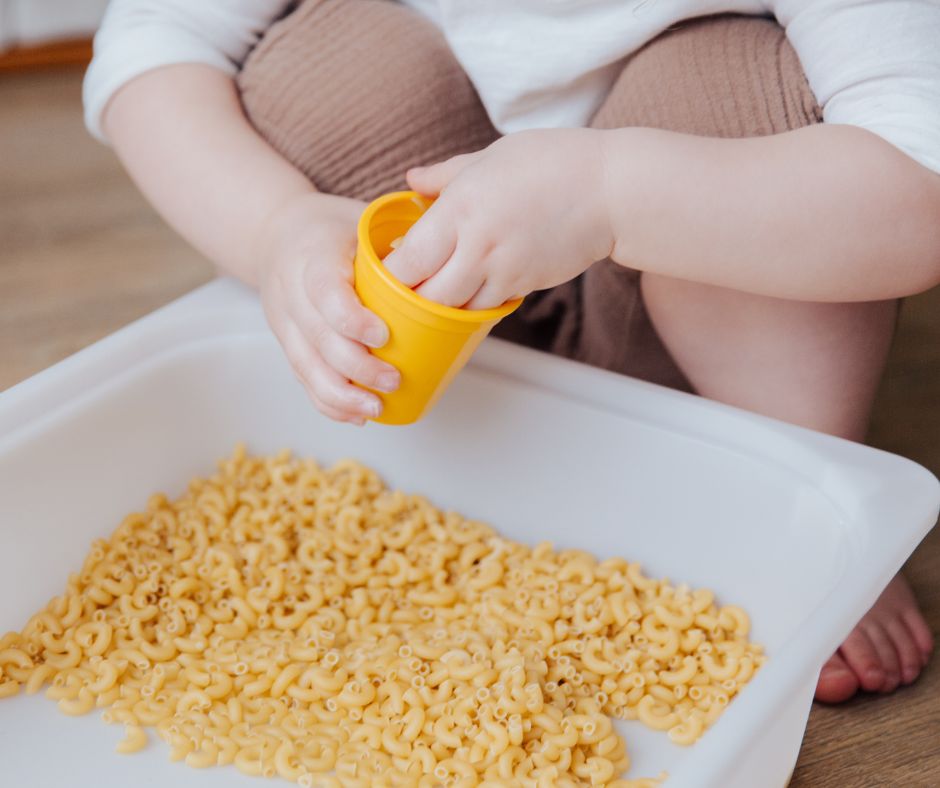
Kindergarten brings a lot of new fine motor demands: coloring, writing their name, cutting with scissors, gluing pieces onto paper. OTs work on the strength, coordination, and control needed to do these things without frustration or fatigue.
They help children develop hand strength, proper pencil grasp, and the ability to use both hands together (like holding paper while cutting), all through fun, play-based activities.
Emotional Regulation
Big feelings can make kindergarten feel overwhelming — especially with transitions, new expectations, and a full day of stimulation. OT helps kids learn calming strategies, recognize their emotions, and build routines that help them feel safe and steady.
It’s not just about avoiding meltdowns — it’s about building emotional awareness and resilience.
Sensory Processing
Many children entering kindergarten have sensory needs that impact how they participate. Some may be sensitive to noise, lights, or touch. Others may seek constant movement or struggle to sit still.
OTs help identify sensory preferences and needs, and then create strategies that support attention, comfort, and engagement in the classroom.
Self-Help and Independence
OT helps children become more independent with the daily tasks of kindergarten, like:
- Putting on their coat or shoes
- Managing zippers and buttons
- Opening lunch containers
- Washing hands after the bathroom
These “little things” add up to big confidence — and help your child feel proud and capable.
Social Participation and Play Skills
Kindergarten is full of shared spaces, group activities, and opportunities to work alongside peers. OT helps children learn how to take turns, share materials, use kind words, and understand nonverbal cues — all through playful, supported practice.
Every Child Deserves to Feel Ready in Their Own Way
Not every child will enter kindergarten with the same skills — and that’s okay. Readiness is not a race. What matters most is that your child is supported in developing the foundational skills that make learning joyful instead of stressful.
Occupational therapy doesn’t push children to do things before they’re ready. Instead, it gently builds the skills they need, at their own pace, with compassion and creativity.
Partnering With Families, Schools, and Kids
One of the most beautiful things about OT is that it’s never done in isolation. Therapists work closely with families to understand daily routines, goals, and what matters most. They partner with schools to share strategies and set children up for success in the classroom. And most importantly, they partner with the child — following their interests, honoring their needs, and celebrating their growth every step of the way.
Kindergarten Can Feel Big — But Your Child Is Growing Braver Every Day
With the right support, your child can walk into their classroom not just prepared, but empowered.
They’ll have tools to regulate their emotions. Strength in their hands and confidence in their hearts. The ability to ask for help, follow routines, and share joy with the people around them.
That’s the power of OT.
Because readiness isn’t about being perfect — it’s about being supported.
And every child deserves that.